Lazar’s cave
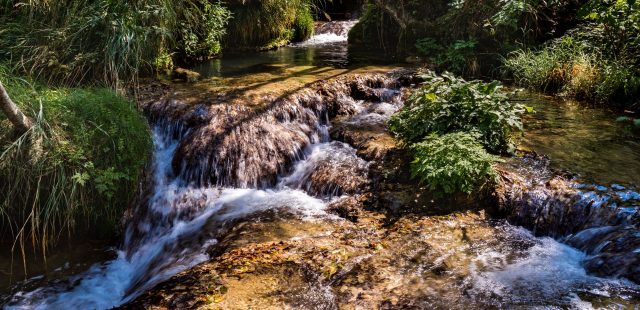
Lazar’s cave is 1.592 m long. The Lazareva Cave consists of two main and a whole series of other cave passages. The passages in the upper part of the cave are dry and passable while an underground river flows through the lower floor.
Resavska cave
Resavska Cave is located near Divljakovac, at the 455m above the sea level, in the hill called Babina Glava. The cave was discovered in 1962.
Parliament building
Parliament building is located in downtown Belgrade. Construction on the building started in 1907, with the cornerstone being laid by King Petar I. The building was based on a design made by Konstantin Jovanović in 1891; a variant of that design made by Jovan Ilkić, which won a competition in 1901.
Ečka ponds & lakes
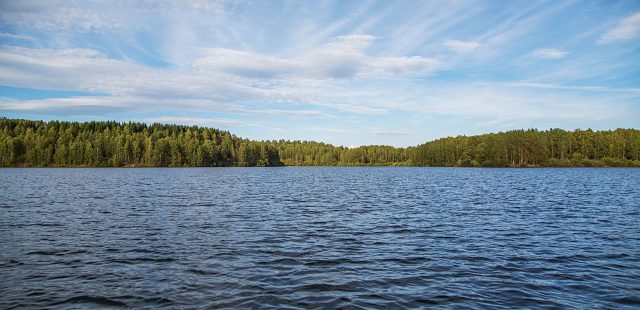
The legend says that Ečka is a place where Attila the Hun leader had settled, in his attack against the Roman Empire. Ečka name is attached to the name of his wife and his daughter, who died just in this place. Ečka name was mentioned for the first time in 1439, as private property of Đurađ Branković. Also known for its ponds and lakes.
Skadarlija
Once the home of many Serbian poets, writers, artists, and actors, the cobble-stoned Skadarska street today hosts some of the best restaurants in Belgrade, all of which strive to preserve bohemian traditions from the early 19th century.
Novi Sad
Novi Sad is the capital of Vojvodina, the northern region of Serbia. Situated on the Danube river between Budapest and Belgrade, it is a treasured regional and cultural centre. Novi Sad has the population of 400,000 and it\'s home to EXIT, a large 4 day music festival which takes place each July at Petrovaradin fortress.
Subotica
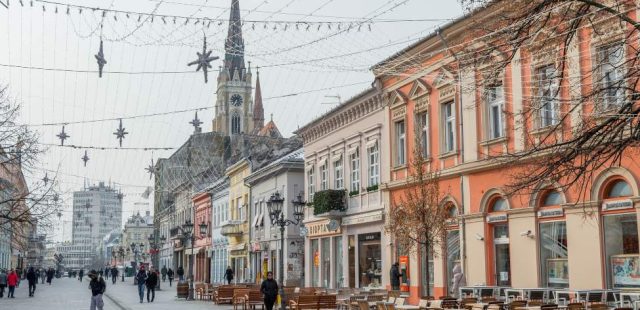
Unique in Serbia, Subotica has the most buildings built in art nouveau style. Especially the City Hall (built in 1908-1910) and the Synagogue (1902) are of outstanding beauty.
Đavolja Varoš
Đavolja Varoš, meaning "Devil\'s Town" is a peculiar rock formation, located in south Serbia on the Radan Mountain near Kuršumlija. It features 202 exotic formations described as earth pyramids or "towers".
Golubac Fortress
Golubac Fortress is a medieval fortified town with a tumultuous history. Located on the right side of the Danube River, it is just four kilometers downstream from modern-day Golubac. The fortress was built in the 14th century. Golubac Fortress is one of the finest fortresses in Serbia from medieval origins, largely due to how well preserved it is.
New Belgrade
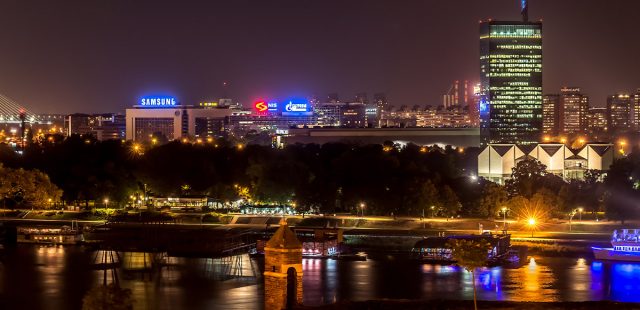
New Belgrade is a modern city, built in the second half of the twentieth century, on the marshy plain bordered by the rivers Sava and Danube, stretching between the historical cities of Zemun and Belgrade.